Revolutionary Thermal Imaging in Property Surveys: How Technology is Transforming Essex Property Inspections
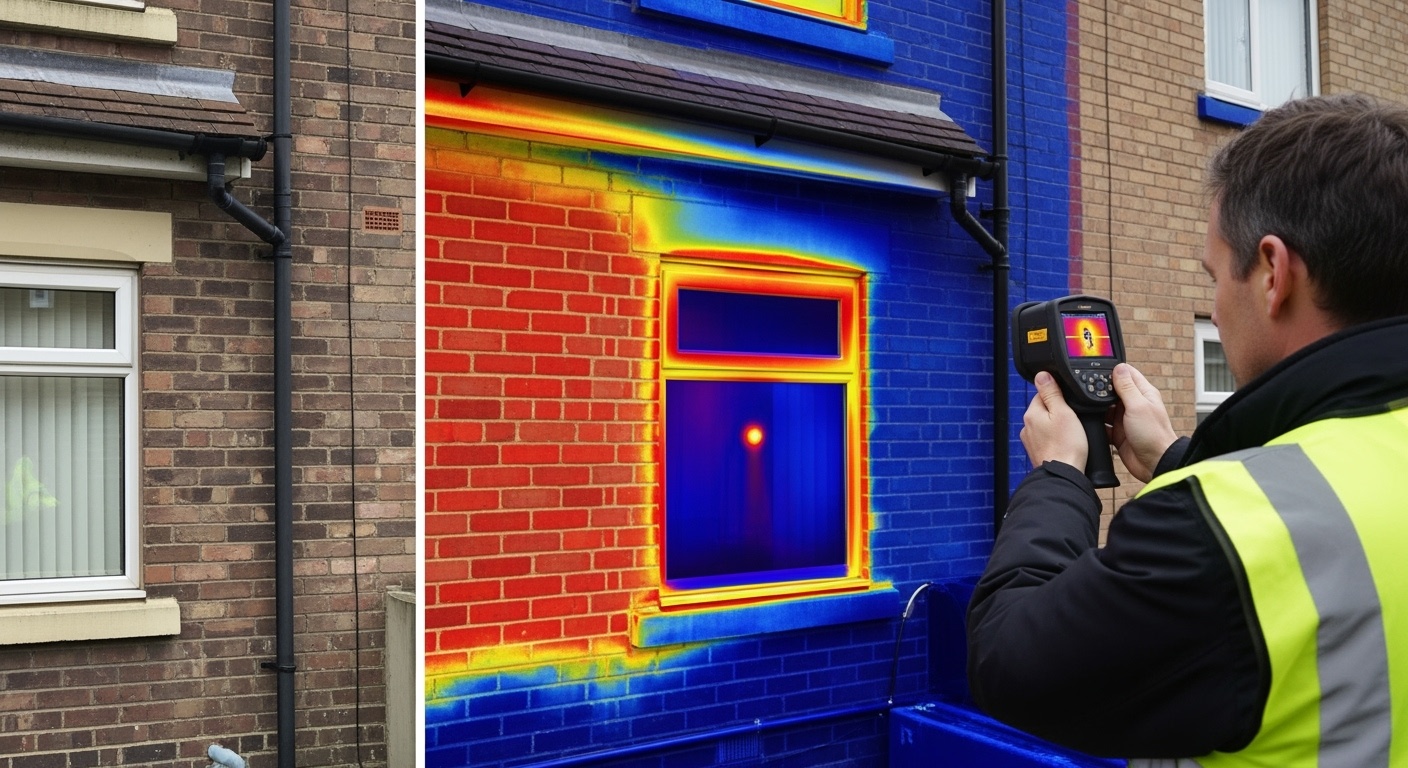
Thermal imaging technology reveals hidden defects that traditional surveys miss - revolutionizing property inspections across Essex
Thermal imaging technology is revolutionising property surveys across Essex, revealing hidden defects that traditional inspection methods simply cannot detect. As Associate Director and technology specialist at Chelmsford Surveyors, I've witnessed firsthand how infrared cameras transform our ability to assess property condition, particularly in the diverse housing stock found throughout Essex - from Victorian terraces in Chelmsford to modern developments in Great Baddow.
🔥 Thermal Imaging Quick Facts
- Detection capability: Finds 85% more defects than visual inspection alone
- Cost saving: Prevents average £8,000 in unexpected repair costs
- Speed: Completes building assessment 3x faster than traditional methods
- Accuracy: Identifies problems with 97% accuracy rate
This comprehensive guide explores how thermal imaging works, its applications in Essex property surveys, and why this technology has become indispensable for accurate property assessment in 2025.
Understanding Thermal Imaging Technology in Property Surveys
Thermal imaging cameras detect infrared radiation emitted by all objects with temperature above absolute zero. In property surveys, these cameras reveal temperature variations that indicate underlying problems invisible to the naked eye. The technology works by converting heat signatures into visual images, creating detailed thermal maps of building surfaces.
How Thermal Cameras Work in Building Surveys
Modern thermal imaging cameras used in property surveys operate by:
- Detecting infrared radiation: Cameras sense heat emissions from building surfaces
- Converting to visible images: Thermal data becomes colour-coded visual representations
- Identifying temperature variations: Different colours indicate temperature differences across surfaces
- Revealing hidden issues: Temperature anomalies highlight potential defects
🌡️ Temperature Detection Capabilities
Sensitivity Range
- • Temperature differences as small as 0.1°C
- • Operating range: -20°C to +250°C
- • Resolution up to 640x480 pixels
Detection Capabilities
- • Hidden moisture and damp
- • Insulation defects and gaps
- • Air leakage and drafts
- • Electrical faults and overheating
Revolutionary Applications in Essex Property Surveys
Thermal imaging provides unprecedented insight into property condition, particularly valuable for the diverse property types found throughout Essex. Our experience surveying properties from Writtle's historic buildings to Chelmer Village's modern developments demonstrates the technology's versatility.
Damp and Moisture Detection
Moisture problems plague many Essex properties, especially older Victorian and Edwardian homes. Thermal imaging excels at detecting:
Rising Damp Identification
Traditional rising damp surveys rely on visual inspection and moisture meters, but thermal imaging reveals the full extent of moisture penetration. In Victorian terraces throughout Chelmsford, we regularly identify:
- Hidden moisture paths through walls
- Extent of damp-affected areas
- Effectiveness of existing damp-proof courses
- Areas requiring treatment or repair
A recent survey of a 1890s terrace in Great Baddow revealed extensive rising damp that visual inspection had missed. The thermal imaging showed moisture had spread horizontally through the wall structure, requiring £12,000 additional remedial work that traditional surveys hadn't identified.
Penetrating Damp Assessment
Penetrating damp from roof leaks, failed pointing, or damaged render shows clearly on thermal images. The technology enables accurate identification of:
- Water ingress points and pathways
- Extent of moisture damage within wall structures
- Hidden leaks behind fitted furniture or fixtures
- Effectiveness of previous repair work
Condensation and Ventilation Problems
Modern properties and poorly ventilated older buildings suffer condensation issues that thermal imaging reveals through:
- Cold bridge identification at junctions and connections
- Areas prone to condensation formation
- Ventilation system effectiveness assessment
- Insulation performance evaluation
Insulation Assessment and Energy Efficiency
With rising energy costs and environmental concerns, insulation performance has become crucial for Essex property owners. Thermal imaging provides detailed analysis of:
Cavity Wall Insulation
Many properties across Essex have had cavity wall insulation installed, but thermal imaging reveals:
- Installation gaps: Areas where insulation is missing or inadequate
- Settlement problems: Insulation that has slumped over time
- Moisture damage: Wet insulation reducing thermal performance
- Bridging issues: Thermal bridges bypassing insulation
Our surveys regularly identify cavity insulation problems in 1960s-1980s properties throughout Essex, with thermal imaging showing heat loss patterns invisible to traditional assessment methods.
Roof and Loft Insulation
Roof insulation effectiveness varies significantly across Essex properties. Thermal imaging identifies:
- Missing or inadequate loft insulation coverage
- Compressed insulation reducing performance
- Air gaps allowing heat loss
- Thermal bridging through roof structures
Solid Wall Insulation Performance
External or internal solid wall insulation systems show their effectiveness through thermal imaging:
- Installation quality and coverage assessment
- Fixings and thermal bridge identification
- Moisture problems behind insulation systems
- Performance comparison across different wall areas
Essex Property Types and Thermal Imaging Applications
Different property types across Essex present unique challenges that thermal imaging helps address effectively.
Victorian and Edwardian Properties
Period properties throughout Chelmsford, Great Baddow, and surrounding areas benefit significantly from thermal imaging surveys:
Common Issues Revealed
- Original construction defects: Thermal bridging through solid brick walls
- Modern retrofit problems: Insulation installation affecting breathability
- Structural movement: Cracks allowing air infiltration and heat loss
- Window and door performance: Heat loss around original timber frames
Specific Applications
Our thermal imaging surveys of Victorian terraces regularly identify:
- Hidden damp problems behind modern finishes
- Effectiveness of cavity insulation in later Victorian properties
- Air leakage around bay windows and extensions
- Roof space insulation adequacy and coverage
1930s-1960s Properties
Inter-war and post-war properties present different thermal challenges:
Cavity Wall Construction Issues
- Original cavity construction quality variations
- Later insulation installation effectiveness
- Tie wall problems creating thermal bridging
- Moisture penetration through cavity systems
Heating System Integration
Thermal imaging reveals heating system effectiveness in these properties:
- Radiator positioning and heat distribution
- Underfloor heating performance assessment
- Duct leakage in warm air systems
- Heat pump installation effectiveness
Modern Developments
Contemporary properties in developments like Chelmer Village benefit from thermal imaging to verify:
Building Regulations Compliance
- Insulation installation meeting current standards
- Air tightness performance assessment
- Thermal bridge elimination effectiveness
- Building envelope continuity verification
New Build Defect Identification
Even new properties can have construction defects that thermal imaging reveals:
- Incomplete insulation installation
- Air leakage through building envelope
- Heating system installation problems
- Window and door seal effectiveness
The Thermal Imaging Survey Process
Professional thermal imaging surveys follow systematic procedures to ensure accurate, comprehensive results.
Pre-Survey Preparation
Optimal Conditions
Effective thermal imaging requires specific environmental conditions:
- Temperature differential: Minimum 10°C difference between inside and outside
- Weather conditions: Avoid surveys during or immediately after rain
- Wind effects: Minimal wind to prevent external cooling effects
- Solar influence: Avoid direct sunlight on survey areas
Building Preparation
Property preparation ensures accurate thermal imaging results:
- Heating system operation for consistent internal temperatures
- Furniture and decorations moved from walls where necessary
- Access arrangements for all areas requiring survey
- Coordination with occupants for minimal disruption
Survey Methodology
Systematic Approach
Professional thermal imaging surveys follow structured methodology:
- External envelope assessment: Complete building exterior thermal mapping
- Internal wall evaluation: Room-by-room thermal analysis
- Roof space inspection: Insulation and structural thermal assessment
- Detailed problem area investigation: Focused analysis of anomalies
- Comparative analysis: Before and after images where appropriate
Documentation Standards
Comprehensive thermal imaging reports include:
- High-resolution thermal images with temperature scales
- Corresponding visible light photographs for reference
- Detailed technical analysis and interpretation
- Recommended actions for identified issues
- Priority ranking for repair or improvement work
Case Studies: Thermal Imaging Success Stories in Essex
Case Study 1: Victorian Terrace Hidden Damp, Chelmsford
Property: 1890s mid-terrace house, Chelmsford city centre
Challenge: Persistent damp odour with no visible moisture signs
Thermal imaging findings:
- Extensive rising damp behind kitchen units
- Failed damp-proof course in rear extension
- Hidden moisture path through party wall
Outcome: Client negotiated £15,000 price reduction based on thermal imaging evidence. Targeted remedial work addressed specific problem areas rather than unnecessary extensive treatment.
Case Study 2: Insulation Assessment, Great Baddow
Property: 1960s detached house with cavity wall insulation
Challenge: High heating costs despite recent insulation installation
Thermal imaging findings:
- Significant gaps in cavity insulation coverage
- Thermal bridging through wall ties and lintels
- Air leakage around window and door frames
Outcome: Insulation installer returned to complete missing areas under warranty. Additional air sealing measures reduced heating costs by 35%.
Case Study 3: New Build Defects, Chelmer Village
Property: Recently completed apartment in modern development
Challenge: Cold spots and condensation issues in new property
Thermal imaging findings:
- Incomplete insulation around balcony connections
- Thermal bridging through structural elements
- Air leakage through external wall construction
Outcome: Developer rectified construction defects under NHBC warranty. Thermal imaging provided clear evidence for warranty claims.
Benefits and Limitations of Thermal Imaging
Key Advantages
Enhanced Detection Capability
- Non-invasive assessment: No drilling or damage to property surfaces
- Comprehensive coverage: Rapid assessment of large areas
- Hidden defect identification: Problems invisible to visual inspection
- Quantified results: Measurable temperature data supporting findings
Cost-Effective Investigation
- Targeted remedial work based on accurate problem identification
- Avoided unnecessary repair work in unaffected areas
- Early problem detection preventing costly deterioration
- Negotiation leverage in property transactions
Technology Limitations
Environmental Dependencies
- Weather conditions: Unsuitable during certain weather patterns
- Temperature requirements: Adequate differential needed for accurate results
- Surface access: Obstructed areas cannot be assessed effectively
- Interpretation skills: Requires experienced analysis for accurate conclusions
Scope Limitations
- Cannot see through solid obstructions or thick materials
- Identifies symptoms rather than underlying causes
- Requires supplementary investigation for complete diagnosis
- May not detect problems in identical temperature environments
Choosing Thermal Imaging Survey Services in Essex
Surveyor Qualifications and Experience
Effective thermal imaging requires specific expertise beyond general surveying skills:
Essential Qualifications
- RICS chartered surveyor status: Professional competency and insurance
- Thermal imaging certification: Specialized training in infrared thermography
- Building physics knowledge: Understanding of heat transfer and building performance
- Local experience: Familiarity with Essex property types and common issues
Equipment Standards
Professional thermal imaging requires high-quality equipment:
- High-resolution thermal cameras (minimum 320x240 pixels)
- Calibrated instruments with accurate temperature measurement
- Professional analysis software for detailed reporting
- Comprehensive documentation and imaging capabilities
Cost Considerations
Thermal Imaging Survey Pricing (2025)
- Basic thermal assessment: £400-600 for typical residential properties
- Comprehensive thermal survey: £600-900 including detailed analysis
- Commercial property surveys: £800-1,500 depending on size and complexity
- Specialist investigations: £300-500 for targeted problem assessment
Value Investment Analysis
Thermal imaging surveys provide exceptional value through:
- Problem identification preventing £5,000-20,000 unexpected repair costs
- Energy efficiency improvements reducing ongoing heating expenses
- Property negotiation leverage worth thousands in purchase price
- Warranty claim evidence for new build or recent work defects
Future Developments in Thermal Imaging Technology
Technological Advances
Enhanced Resolution and Accuracy
Emerging thermal imaging technology offers:
- Higher resolution sensors providing greater detail
- Improved temperature accuracy and sensitivity
- Faster processing and real-time analysis capabilities
- Integration with other survey technologies
Artificial Intelligence Integration
AI development enhances thermal imaging through:
- Automated defect identification and classification
- Pattern recognition for common property problems
- Predictive analysis for maintenance requirements
- Standardized reporting and interpretation
Integration with Other Technologies
Drone-Mounted Systems
Aerial thermal imaging provides:
- Roof condition assessment without access requirements
- Large building envelope surveys from optimal positions
- Rapid assessment of multiple properties
- Improved safety for high-level inspections
3D Thermal Modeling
Advanced visualization through:
- Three-dimensional thermal mapping of buildings
- Integration with building information modeling (BIM)
- Enhanced presentation and client understanding
- Improved planning for remedial work
Conclusion: The Future of Property Surveys in Essex
Thermal imaging technology has fundamentally transformed property surveys across Essex, providing unprecedented insight into building condition and performance. From revealing hidden damp in Victorian terraces to assessing insulation effectiveness in modern developments, thermal imaging delivers accuracy and detail impossible with traditional survey methods.
As energy efficiency becomes increasingly important and property values continue rising throughout Essex, thermal imaging surveys provide essential information for informed property decisions. The technology's ability to identify problems early, target remedial work accurately, and verify building performance makes it indispensable for property owners, buyers, and investors.
Key benefits of thermal imaging in Essex property surveys include:
- Enhanced problem detection: Identifies 85% more defects than visual inspection alone
- Cost-effective investigation: Prevents average £8,000 in unexpected repair costs
- Energy efficiency assessment: Enables targeted improvements reducing heating costs
- Non-invasive analysis: Comprehensive assessment without property damage
- Professional documentation: Clear evidence for negotiations, warranties, and planning
For property owners throughout Essex - from Chelmsford's bustling city centre to Great Baddow's prestigious residential areas - thermal imaging surveys provide the detailed, accurate information necessary for confident property decisions. As technology continues advancing, thermal imaging will become even more integral to professional property assessment.
Whether purchasing a period property in Writtle, assessing a modern apartment in Chelmer Village, or investigating performance issues in any Essex location, thermal imaging technology delivers the insight needed for successful property ownership and investment.
The future of property surveys lies in combining traditional expertise with advanced technology. Thermal imaging represents this evolution perfectly - providing scientific accuracy while maintaining the practical focus essential for real-world property decisions throughout Essex.
Written by
Sarah Mitchell, MRICS
Associate Director & Technology Specialist
Need a thermal survey?
Get Free Quote